The history of religion in Uganda moves through three phases: pre-colonial African traditional religion centered on a supreme creator deity and ancestral spirits; the mid-19th-century arrival of Islam through Arab and Swahili trade with Buganda; and the late-19th-century arrival of Christianity, which triggered religious competition, the martyrdom of Christian converts under Kabaka Mwanga II (1885–1887), and the eventual entrenchment of Christianity within colonial and post-independence institutions.
Religion in Uganda has never existed apart from politics, education, and identity. Understanding how it evolved is essential context for anyone exploring the country’s religious tourism sites today. This article is part of africasights.com’s [Religious Tourism in Uganda] guide.
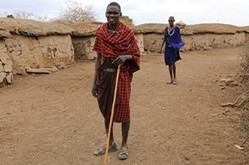
Before the nineteenth century, the peoples of Uganda — including the Baganda, Banyoro, and Acholi — practiced diverse forms of African traditional religion, deeply embedded in the socio-cultural and political fabric of their societies. Religion functioned as an integrated worldview rather than a separate institution.
Key features of pre-colonial belief systems:
Islam was the first foreign religion to gain a foothold in Uganda, arriving through trade and diplomatic contact with Arab and Swahili merchants along the East African coast. Its spread was most significant in the Kingdom of Buganda during the reign of Kabaka Mutesa I.
Mutesa I adopted aspects of Islamic practice — prayer, fasting, and the study of Arabic — which linked Islam to literacy, commerce, and diplomacy. However, its spread remained largely confined to the royal court and select elites, facing resistance from indigenous belief systems and, later, competition from Christian missions. Islam nonetheless established institutional and cultural foundations that continue to shape Uganda’s religious landscape today.
Christianity arrived in the late nineteenth century and transformed Uganda’s religious and political environment:
The missions brought Christian doctrine alongside Western education, literacy, and new social norms. Translating religious texts into Luganda accelerated conversion and produced a new literate elite. But the coexistence of Protestant, Catholic, and Muslim factions produced intense religious competition, often intertwined with political rivalries within Buganda’s leadership. Conversion became both a spiritual and a political act, aligning individuals with competing power blocs.
The rapid growth of Christianity provoked conflict under the reign of Kabaka Mwanga II, who saw the rising influence of Christian converts as a threat to his authority and to traditional socio-cultural norms.
Between 1885 and 1887, a series of executions targeted Christian converts who refused to renounce their faith or comply with royal demands. These killings — known as the Uganda Martyrs — became a defining moment in Uganda’s religious history. The martyrdom of both Catholic and Protestant adherents reinforced Christian identity and drew international attention, strengthening missionary efforts. The legacy is commemorated annually on Uganda Martyrs Day (3 June) at the Namugongo Martyrs Shrine.
Religion became closely intertwined with colonial administration under the British Empire. Missionary organizations built the formal education systems that became the primary path to social mobility and elite formation.
Colonial authorities often exploited religious divisions — particularly between Protestant and Catholic communities — to consolidate control. Protestants were frequently favored in administrative appointments, producing denominational disparities that endured well beyond independence. Indigenous religious systems were marginalized while Christianity became institutionalized within state structures, entrenching the link between religion, education, and political power.
Since independence in 1962, Uganda has been a religiously pluralistic society with constitutional protections for freedom of worship.
Islam arrived in Uganda in the mid-19th century through Arab and Swahili traders, gaining particular influence in the Kingdom of Buganda under Kabaka Mutesa I.
Protestant missionaries arrived in 1877 and Catholic missionaries in 1879, both establishing missions in the Kingdom of Buganda.
The Uganda Martyrs were Christian converts — both Catholic and Protestant — executed between 1885 and 1887 under Kabaka Mwanga II for refusing to renounce their faith. They are commemorated annually on Uganda Martyrs Day.
In pre-colonial Uganda, religion was an integrated worldview rather than a separate institution: political authority was often sacralized, religious specialists interpreted spiritual phenomena, and natural sites served as places of ritual significance.
British colonial authorities tied religion closely to administration and education, often favoring Protestant communities in appointments and marginalizing indigenous belief systems, which entrenched lasting denominational and institutional disparities.